
The idea of this page is to help you come down from fireworks, because all that adrenaline and stress doesn’t go away quickly. This is where we focus on rebuilding steady routines, and capture anything useful for next time.
Use this section for a quick check-in. write down how you found it, how you’re doing now and anything that’s on your mind. Nothing you write here is recorded or saved anywhere on the web server – It will onyl save in your own internet browser. But you can export it if you choose to as it’s massively helpful if you’re working with a professional like a doctor or therapist or even just to show your family so they understand better.
Save is automatic. You can export to TXT or print as PDF.
The first 24 hours are usually the hardest. Expect to feel:
Drained – like you’ve done a marathon
Jumpy or on edge
Short-tempered for no real reason
Unable to think clearly or hold focus
This page is called ‘Recover’ but I don’t mean recovery as in being completely squared away, recovery is a process and isn’t a straight line at all. In fact this phase can feel as tough as the previous two stages. So, let’s start slow.
Think of something you can do that would improve how you’re feeling by 1% – The smallest amount possible.
I wish I could tell you that it’s one night and it’s all over, we but we all know that’s not the case. So keep your ear plugs and headphones to hand and do what you feel comfortable with.
I’d also suggest to keep going with the deep breathing from ‘Endure’ as that’s a good tool for reducing stress. As things start to ease up try something like:
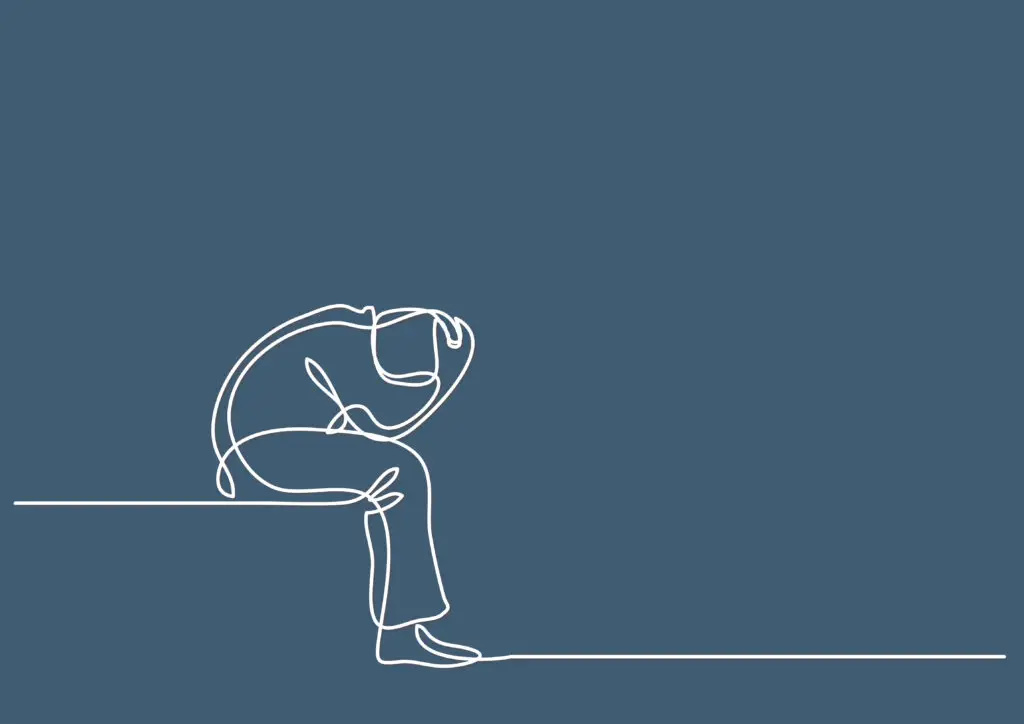
We’ve covered a lot of ground on the short-term coping strategies, but if you’re here and not getting some kind of long term support, then maybe this is your sign that it’s time to look into it.
As I said back on the home page, I’m no therapist or doctor, I can’t and won’t recommend medications, treat anything or diagnose. However, I can suggest some ideas for you to explore. Before I do, find yourself sayign any of these….?
“But talking to someone won’t do anything”
I hear this one a lot. The entire field of psychology is based on the idea that talking can be incredibly powerful. And professionals in mental health generally train and practice for between 5 – 12 years before they’re qualified. It’s safe to assume that someone who trains for that long might know what can be done better than someone else.
“Nobody will help me”
Maybe you’re right, but there’s over 160,000 qualified psychotherapists in the UK, reckon at least one of them has seen this before and can help? And if you say nothing, I Gaurantee that nothing will get done. So might as well ask the question.
“How would I even get started?”
Fair question. Start by using the journal above or just write down what’s happening, how it’s affecting you and how long for, and hand that to a GP and say “I could use some help with this”. Or give one of the help lines below a call and just talk like you would a mate. Don’t worry what words you say or the order you say them, just as long as the idea is “I need some help here”.
Combat Stress — Specialist mental health support for veterans. Website: combatstress.org.uk · Helpline: 0800 138 1619
SSAFA, the Armed Forces charity — Practical, emotional and financial support for veterans and their families. Website: ssafa.org.uk · Helpline: 0800 260 6780
Help for Heroes — Physical, psychological and welfare support for veterans and their families. Website: helpforheroes.org.uk · Support line: 0300 303 9888
Veterans’ Gateway — First point of contact for veterans on welfare, housing, health & more. Website: veteransgateway.org.uk · Helpline: 0808 802 1212
Walking With The Wounded — Support for veterans with employment, mental health and life transition. Website: walkingwiththewounded.org.uk · Tel: 0330 058 5800
The Royal British Legion — Broad welfare, financial and crisis support for the Armed Forces community. Website: britishlegion.org.uk · Helpline: 0808 802 8080